
Gold as a Macro Hedge: How Central Bank Buying Is Reshaping the Global Bullion Market

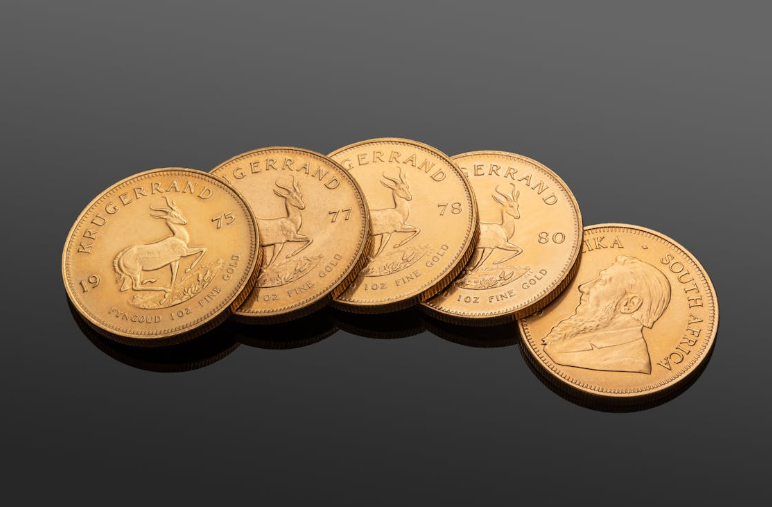
Photo by Zlaťáky.cz on Pexels
For a long time, gold has been considered a macro hedge; an asset that’s designed to protect against broad economic risks like currency depreciation, geopolitical uncertainty, and inflation. It’s this defensive role that has inspired central banks to increase their gold holdings.
In 2024, the worldwide estimate stood at 1045 tonnes, following a record 1,136 tonnes in 2022 (the highest recorded since the 1950s). This sustained buying pressure coincided with a 65% surge in prices in 2025.
From Asia to Eastern Europe, sovereign buyers are steadily building their bullion reserves at levels well above normal averages, far surpassing the 473 tonnes recorded between 2010 and 2021. This raises an important question: what does this mean for the global bullion market, and why is this happening now?
What’s Fueling Central Banks’ Rush Into Gold?
There are several reasons why central banks have pivoted to gold in recent times:
- Devaluation
Many financial analysts consider de-dollarization highly unlikely. While the currency is still dominant in world trade and reserves, recent trends have sparked debates about its long-term strength, with investors increasingly exploring alternatives like gold bullion bars. Looking ahead, some projections suggest that the DXY index will fall toward the mid-90s as more investors diversify away from US debt and due to the anticipated Federal Reserve rate cuts.
- Geopolitical risk
Gold is also seen as a safe-haven asset in a world filled with tension and economic sanctions. Unlike foreign currency, gold isn’t tied to any single sovereign issuer. Not to mention, it doesn’t carry any credit or default risk.
- Volatility hedging
Among the central bank’s many roles is ensuring that it stays safe and liquid. Foreign currency doesn’t provide this advantage because it changes a lot depending on the state of the global economy. Gold has proven reliable for central banks as it helps them uphold this mandate.
- Inflation hedge
Central banks are also favoring gold because it performs well in inflation and currency debasement. What’s more, gold prices have been on the rise in recent years, with some speculative forecasts suggesting prices could reach $5,400 by the end of 2026.
How the Central Bank’s Move Is Reshaping the Global Bullion Market
With central banks accumulating more and more gold, the effect has been a notable imbalance in supply and demand. Unlike retail investors, central banks don’t hold gold for a short period. They hold on to their reserves for a longer period of time, removing large volumes of physical supply from circulation.
The result of this is pressure on prices, which has significantly impacted the strength of gold in recent years.
At the same time, there’s been a pronounced gap between physical bullion and paper gold markets like ETFs and futures. While paper instruments are excellent in terms of liquidity and ease of trading, they don’t directly impact the availability of physical gold in the same way.
A tighter supply can therefore lead to increased premiums and reduced market liquidity, especially during seasons of high demand.
More broadly, there’s a shift in how gold is perceived. Investors are no longer viewing gold as a speculative asset or retail hedge. Many view it as a strategic reserve tool at the sovereign level. These evolving reserve strategies paint a picture of the changing dynamics in global monetary stability.
Retail and Investor Implications
With sovereign buyers absorbing larger shares of gold, retail and individual investors are facing challenges accessing gold due to the high premiums, and have had to change their strategy around gold.
While some people were comfortable holding it for shorter periods, more investors now consider it a long-term investment because it can withstand inflation, currency fluctuations, and broader market volatility.
On the positive end, this shift has reinforced gold as a portfolio stabilizer. By investing in gold, investors can enhance portfolio diversification and reduce overall portfolio risk, especially during periods of economic instability.
What This Means Going Forward
The Central Bank’s move towards more gold accumulation is not a short-term reaction to market conditions. This move reflects a broader shift in how nations worldwide manage risk and preserve value. While the US dollar remains a reliable and dominant reserve currency, recent economic developments have informed the decision to diversify global reserves.
If this trend continues, it would be no surprise if gold started playing a key role in shaping the global financial system, especially as geopolitical tensions and monetary policy uncertainty persist. The continued, sustained demand from central banks could also continue to support prices and tighten physical supply.
For investors, it’s becoming more important to start viewing gold not just as a hedge, but as a long-term component of a resilient portfolio. Gold’s role as a store of value and stabilizer is becoming hard to ignore amid the increasingly unpredictable economic environment.
The Author


