
Why Home Hardware Buyers Are Moving Beyond Big-Box Retail

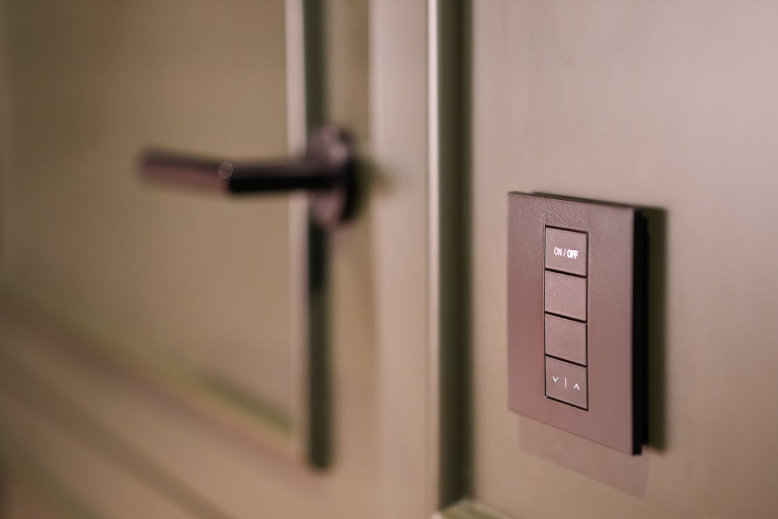
Photo by Jakub Zerdzicki on Pexels
Key Takeaways:
- Big-box stores still work for straightforward purchases, but many hardware projects demand more precision.
- Specialist e-commerce makes it easier to compare fit, finish, function, and replacement compatibility before ordering.
- Better filtering, deeper catalogs, and more informed support have changed what buyers expect.
- DIY renovators, contractors, and property managers all benefit when the buying process feels exact rather than approximate.
For a long time, buying door hardware was just another errand. You went to a big-box store, stood in front of the lock aisle, and picked the closest match on the shelf. For simple swaps, that still works. But once a project gets more particular, that approach starts to show its limits.
Home hardware looks simple right up until the details matter. Matching, handing, latch type, backset, keyed-alike setups, trim style, and replacement parts can all determine whether the product actually works. That is a large part of why more buyers have moved toward specialist e-commerce sites built around depth, not just convenience.
Why Big-Box Retail Has Limits
Big-box retail is designed to be broad. That is the appeal. A shopper can grab paint, storage bins, garden soil, and a new deadbolt in one stop. But breadth comes with trade-offs, and hardware is one of the categories where those trade-offs show up quickly.
Buyers often need more than a decent-looking option on a peg. They may need a finish that matches the levers already installed throughout the house. They may need several locksets keyed alike. They may need a single replacement part for an older setup rather than a full hardware changeout. General retail shelving is not usually built for that level of specificity.
And when the wrong item is bought, the problem isn’t just the receipt. It can mean another trip, a delayed project, or a door that still is not secure when the day ends.
What Specialist E-Commerce Changes
Specialist online retailers have gained ground, particularly since COVID, by fixing the frustrations that broad retail often leaves unresolved. The best ones do more than stock more products. They make the selection process easier to trust.
Three things matter most:
Better product detail
Detailed specs, stronger filters, and fuller descriptions help buyers separate similar-looking products and verify compatibility before checkout.
Deeper selection
A specialist site can usually offer more finishes, functions, and replacement parts than any physical aisle can hold.
Stronger category knowledge
Support teams that actually know the hardware can answer practical questions before an order becomes a return.
That last point matters. Door hardware sits in an awkward middle ground where it’s simple enough to look easy, but technical enough to punish bad assumptions.
How Buyer Expectations Have Changed
E-commerce has not just made shopping faster. In-home hardware has made precision feel normal – and that’s why more and more people are turning to ecommerce options.
Today’s buyers often expect:
- Side-by-side comparison of style and function
- Access to less common finishes or coordinated sets
- Accurate stock information before ordering
- Replacement parts and accessories in the same catalog
- Shipping fast enough to keep a project moving
Those expectations matter most when hardware is tied to a deadline or something particularly important for home security!. A homeowner may want every residential door lock changed before move-in weekend. A contractor may need matching handlesets across several openings. A property manager turning over a unit may not have room for guesswork.
Who Benefits Most
Several groups benefit from the shift toward specialist e-commerce.
DIY renovators can research at their own pace and order a more coordinated set of products. Contractors and designers benefit because consistency matters across multi-door jobs. Property managers and maintenance teams benefit because repeatability matters almost as much as price. Even everyday homeowners replacing worn hardware usually get better results when they can sort through specific options instead of settling for whatever happens to be in stock.
What Shoppers Should Check Before Ordering
Not every specialist site is equally useful, so buyers still need their own filter.
A solid checklist includes:
- Product specs that go beyond marketing copy
- Clear distinction between hardware functions
- Consistent finish options across a collection
- Support resources that reflect real category knowledge
- Shipping details that feel straightforward
The Bigger Retail Shift
The move from big-box retail to specialist e-commerce reflects broader shifts in buying habits. Convenience still matters. But so does confidence. In a category where small details can create real problems, expertise has become part of the product.
That helps explain why specialist e-commerce continues to grow. Buyers are not just looking for more inventory. They are looking for a better chance of getting the right hardware the first time.
The Author


No Comment