
The technology hiding inside different kinds of games

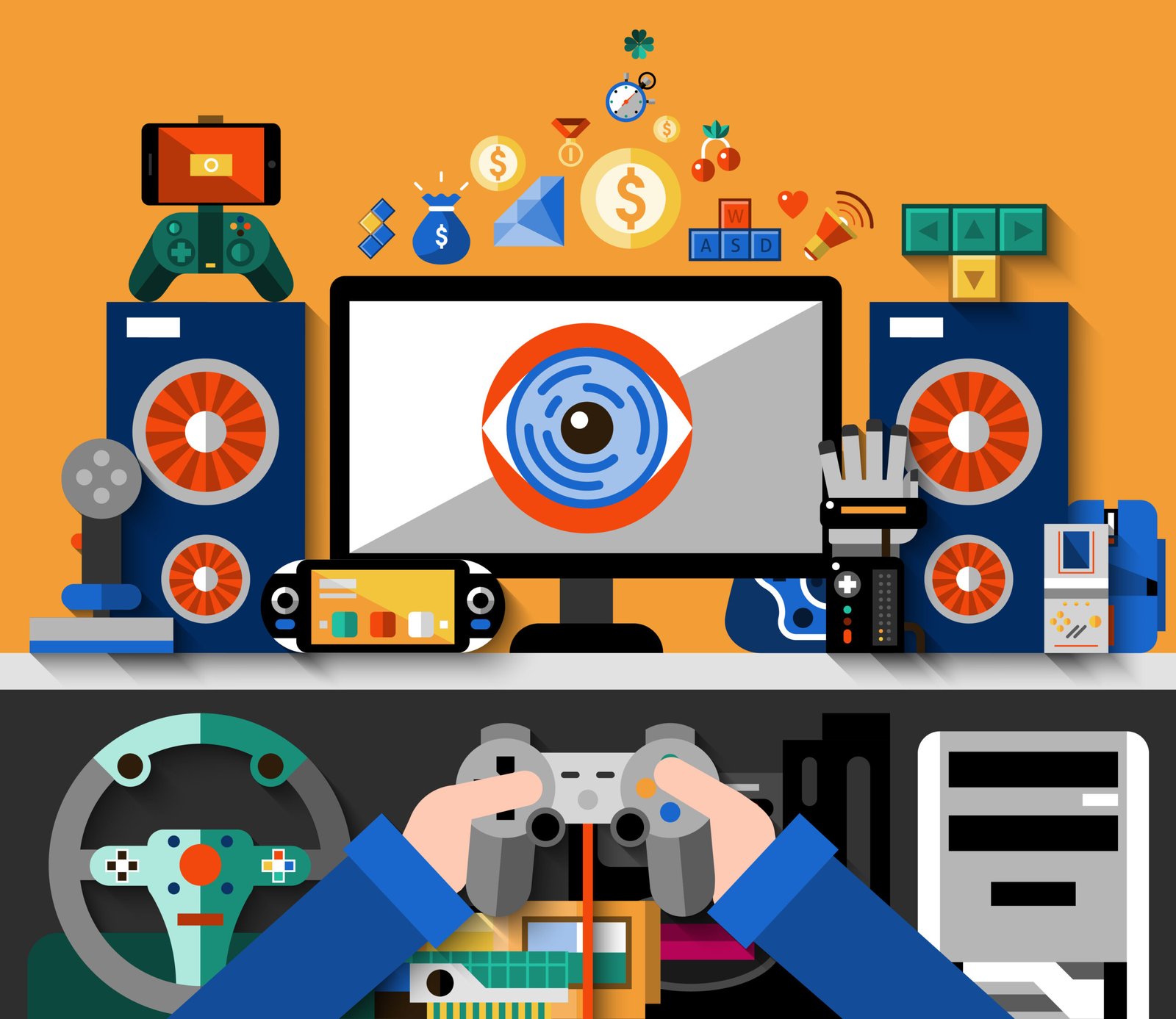
Games tend to advertise what you can see: huge maps, detailed cars, hundreds of characters, flashy effects. The more interesting part is often the system underneath all of that. Different genres depend on very different pieces of technology, and sometimes the thing doing the most work is barely visible while you are playing.
Slots start with a number, not the reels
A slot looks as though everything is happening on the screen. The reels spin, symbols fall into place, music changes and a bonus animation might suddenly take over. Underneath that presentation, however, the important part is the random number generator. The RNG determines the result of the spin, while the graphics show that result in a form the player can actually follow. It is a slightly strange arrangement when you think about it. The fireworks, moving symbols and elaborate bonus screens can make a slot games look complicated, yet the core of the game is a system producing random outcomes incredibly quickly in the background.
RPGs have a much longer memory
Role-playing games have almost the opposite problem. Randomness can matter, but remembering what the player has done is often much more important. You might insult someone during a conversation near the beginning of the game and discover much later that the character has not forgotten it. A faction you helped may open a mission that another player never sees. A choice that looked minor at the time can close off one ending and quietly push the story toward another. The technology behind this is not especially glamorous to look at, but it can become complicated very quickly. The game is carrying around a long list of decisions, relationships and conditions, then checking that history whenever a new scene begins.
Racing games are doing maths every second
A convincing racing game has to make a car feel heavy without making the controls feel sluggish. It has to account for grip, braking, speed, contact with the road and what happens when the driver pushes too hard into a corner. Even something as simple as driving over a curb can involve several calculations at once.
That is also why two racing games featuring the same car can feel nothing alike. One may reproduce every small handling detail, while another deliberately bends the physics because sliding around a corner at an unreasonable speed is simply more fun.
Shooters have no time to hesitate
Online shooters have their own headache. A player turns a corner, sees an opponent and fires. The game then has to decide where both players were, whether the shot connected and which version of events the server accepts, all quickly enough that nobody notices the argument happening in the background. When it works, the shot simply feels right. When it does not, players notice immediately. That is why latency, hit detection and server performance can cause more discussion in competitive shooters than an entire new set of graphics.
Open worlds are constantly disappearing behind you
A huge open world may look as though the whole thing exists at once, but that would be enormously wasteful. Games instead keep the nearby world active and quietly load the next pieces as the player moves. Streets, buildings, traffic and characters appear before they are needed, while distant areas are dropped from memory once there is no reason to keep them around. The clever part is hiding the trick. If the player starts noticing objects appearing late or entire areas loading in front of them, the illusion breaks.
Different games, different technical headaches
There is no single piece of technology that defines gaming. A slot needs trustworthy randomness. An RPG may need to remember a conversation from twenty hours ago. A racing game is worrying about tyres while a shooter is worrying about milliseconds. Most players never see those systems directly. They notice them only when they work well enough to disappear.
The Author



No Comment